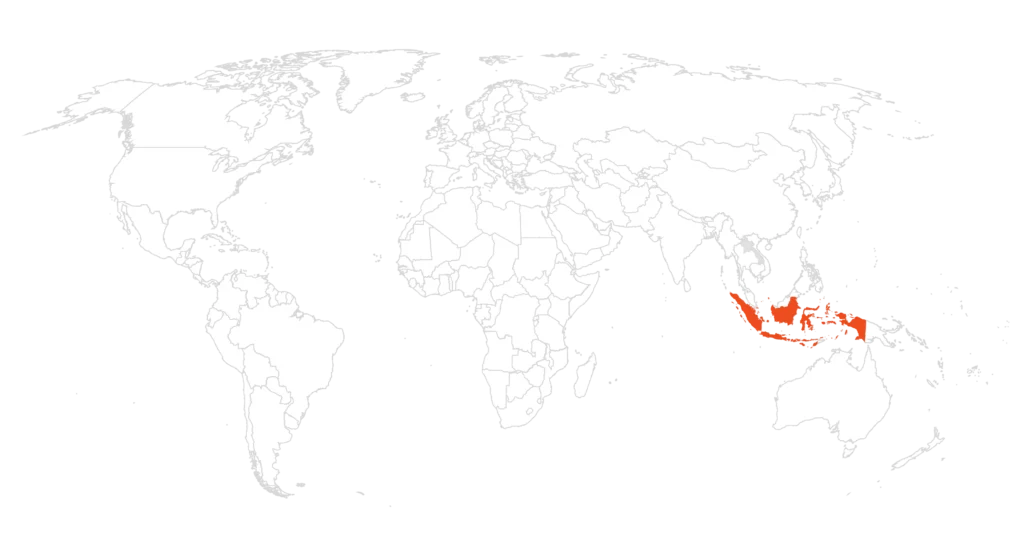
Coffee cultivation in Indonesia began in 1696 when coffee seeds were sent by the Dutch East India Company from Yemen to Jakarta to begin coffee production. Initially planted in the area known as nowadays Jakarta. The first attempt failed but then a second attempt was successful which then quickly established Java as the centre of early production in the 1700s. The geography of Indonesia as an archipelago of 17,000 islands with well suited micro-climates for the cultivation of coffee has seen it successfully spread across its 5000km span from Aceh, Sumatra in the west to Papua on its eastern borders. Indonesia is now the 4th biggest producer of coffee producing between 11-13 million bags annually with around 80% of this being robusta.
Indonesia has a population of 300 million with strong internal consumption accounting to close to 50% of the annual production. With the emergence of specialty coffee Indonesia’s domestic specialty market is dynamically growing with a large amount of specialty coffee going direct from farm to roastery in its major population centres and spreading. This is being driven by its younger population in the form of experimentation at the farm/processor level through to the roastery/cafes.
CULTIVATION
Today, more than 90% of Indonesia's coffee is grown by smallholders on farms averaging around one hectare. Some of this production is organic and many farmers' cooperatives and exporters are certified to market organic or Fair-trade coffee to international buyers. The dominant processing method across the region is the giling basah/wet-hulled method which is sought after by international markets for its distinctive profile.
Coffee Regions of Indonesia
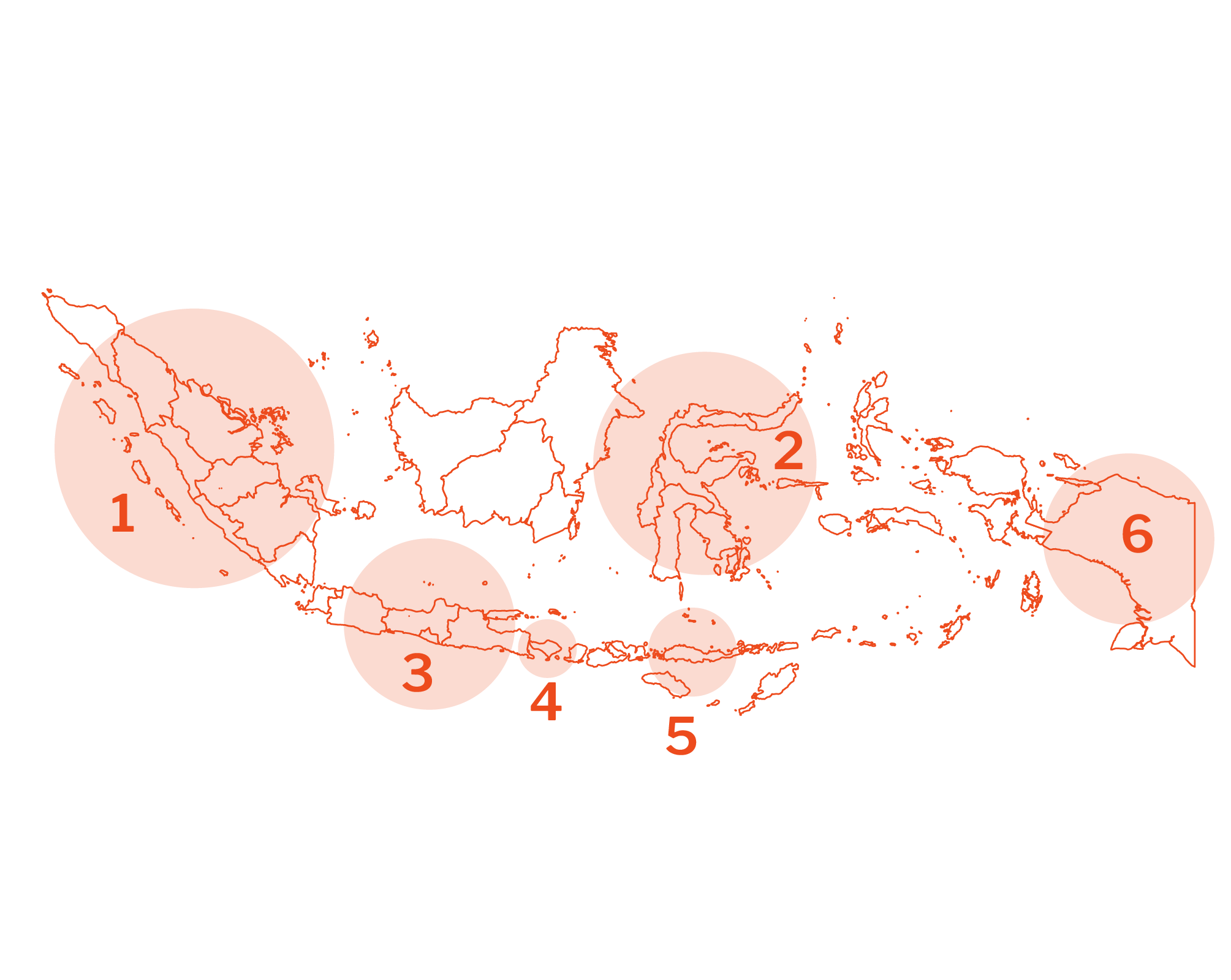
1) Sumatra
Sumatra is Indonesia's largest coffee-producing region accounting for close to 50% of total production and is famous for its distinctive wet-hulled (giling basah) processing method. This technique produces coffees with a heavy body, low acidity, and complex flavours. Major growing areas include Mandheling, Lintong, and Gayo, each known for unique characteristics. Sumatran coffees often display notes of cocoa, tobacco, cedar, earth, spice, and dark fruit. Gayo coffee from Aceh holds Geographical Indication status and is internationally recognised for its quality. The region remains Indonesia's most important coffee-producing area by volume and plays a significant role in global Arabica and Robusta exports. The coffees from Aceh and West Sumatra are becoming known for specialty coffee with processors responding to the need domestically and internationally for natural and washed coffees.
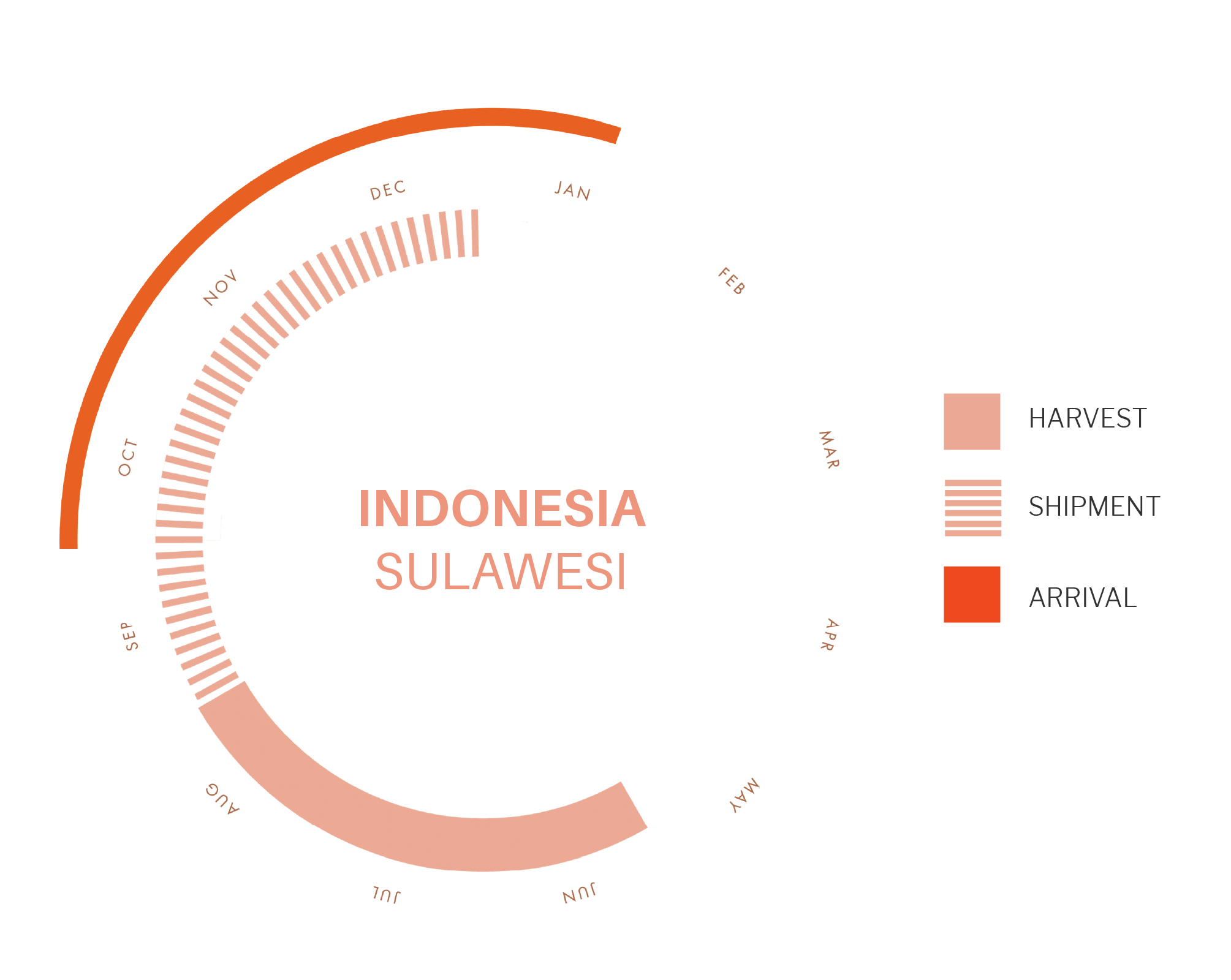
2) Sulawesi
Sulawesi is renowned for producing high-quality Arabica coffee in the Toraja, Kalosi, Mamasa, and Gowa regions and around 10% of production. Sulawesi coffees are known for their clean cup profile, full body, and notes of cinnamon, cardamom, black pepper, and warm spices. The region's mountainous terrain and fertile soils create excellent growing conditions. Sulawesi remains one of Indonesia's most respected specialty coffee origins especially the coffees from the highlands of Toraja.
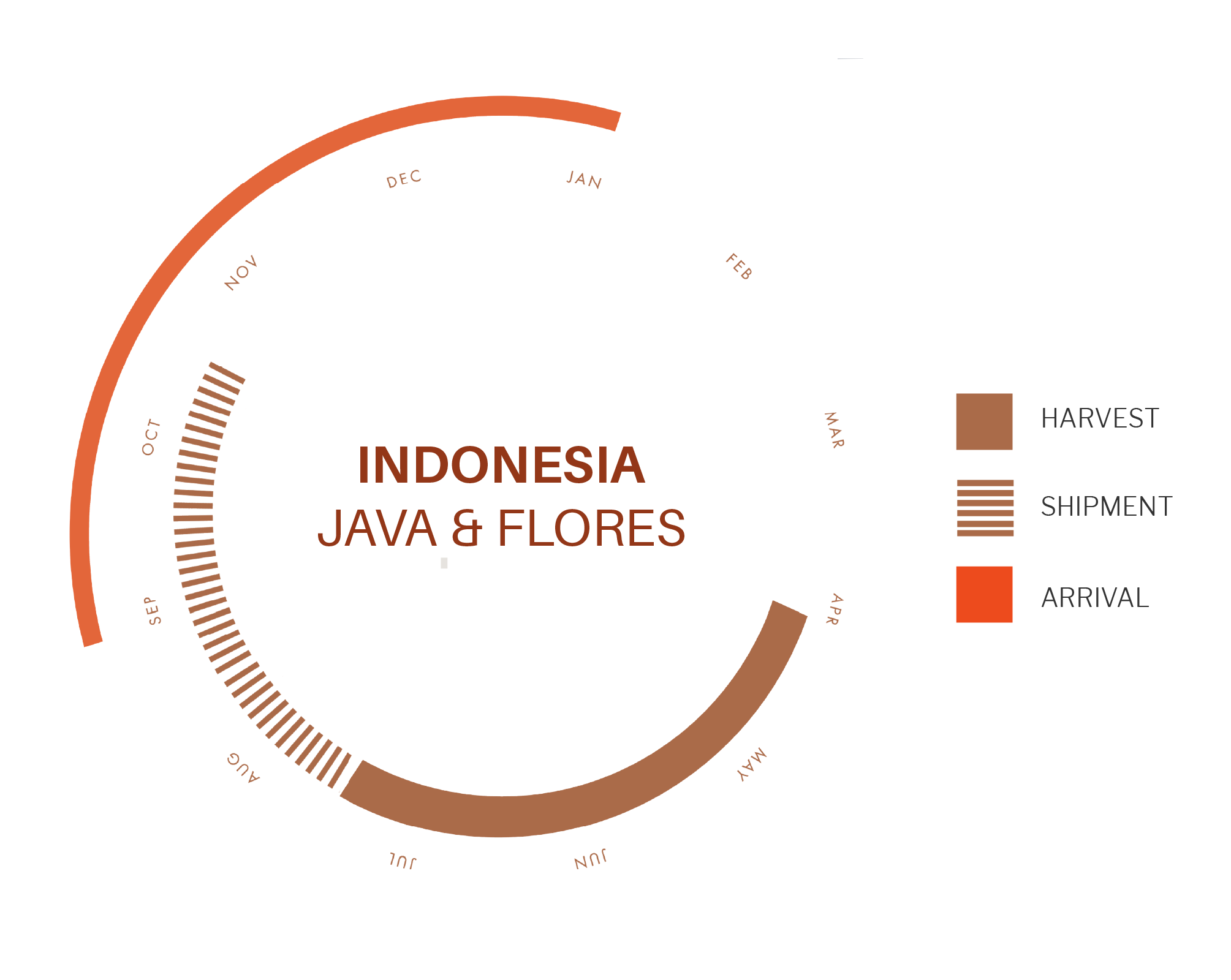
3) Java
Java is the birthplace of Indonesia's coffee industry and was the first island where coffee was commercially cultivated by the Dutch and today it accounts for 15% of production. Specialty arabica coffee is grown mainly on the Ijen Plateau in eastern Java but also in the West in the volcanic hills close to Bandung where the proximity to Jakarta has seen many specialty processors emerge in the last 15 years. Java coffees are known for their smooth body, mild acidity, and balanced flavours, often featuring earthy, herbal, and sweet notes.
4) Bali
Bali's coffee production is concentrated in the Kintamani Highlands, where volcanic soils and high elevations create ideal growing conditions and accounts for only 1-2 % of production. Most farms are managed by smallholders following the traditional Subak Abian system, which promotes sustainable and organic farming. Bali became Indonesia's first coffee region to receive Geographical Indication status. Balinese coffees are typically wet processed but with some washed and natural processing as well, and are known for their clean, sweet profile with citrus and floral notes.
5) Flores
Flores is an emerging specialty coffee region known for its fertile volcanic soils and high-altitude Arabica production. Coffee is grown between 1,200 and 1,800 MASL, often under shade trees and using traditional farming methods. Flores coffees are recognized for their sweet chocolate, floral, woody, and caramel-like flavours. Although production is relatively small, Flores has gained international recognition among specialty coffee roasters and consumers. It contributes around 3 % of the annual production.
6) Papua
Coffee is grown in remote highland regions such as the Baliem Valley and Kamu Valley at elevations between 1,400 and 2,000 meters. Most farms use traditional methods without chemical fertilizers or pesticides, making the coffee attractive to organic and specialty markets. Papua coffees are typically wet hulled and valued for their clean profile, sweetness, mild acidity, and floral characteristics.
Annual production (in bags and MT)
700,000 MT 11.5 million (60kg bags)
Average Farm Size
< 1 hectare
Harvest Altitudes
600 – 2000 meters
Ports for Shipment
Belawan, North Sumatra Surabaya, East Java
Traditional Flavor Notes & Quality Overview
Dark fruits Cacao Tobacco Warm spices Heavy Bodied
Common Coffee Varieties
Tim Tim (Hybrid de Timor), Gayo 1, Gayo 2, Ateng Super, Abyssinia, Caturra, Bourbon, Lini S-288, Lini S-795, Kartika, Sigararutang, Andung Sari
Primary Processing Focus
Colombia is overwhelmingly a washed-coffee origin, and the fully washed process has defined the country's cup profile and global reputation for generations. The traditional Colombian washed process typically involves depulping ripe cherry the same day as harvest, followed by dry fermentation in tanks for 12–36 hours depending on altitude and ambient temperature. After fermentation, coffee is washed thoroughly with clean water and dried — traditionally on patios or raised beds. This process produces the clean, bright, and well-defined cup profiles that Colombian coffees are known for worldwide.
In recent years, experimentation with honey and natural processing, as well as anaerobic and extended fermentation techniques, has grown — particularly among producers targeting the specialty and competition markets. However, fully washed remains the dominant and defining process for Colombian coffee.
Typical Natural Process Flow:
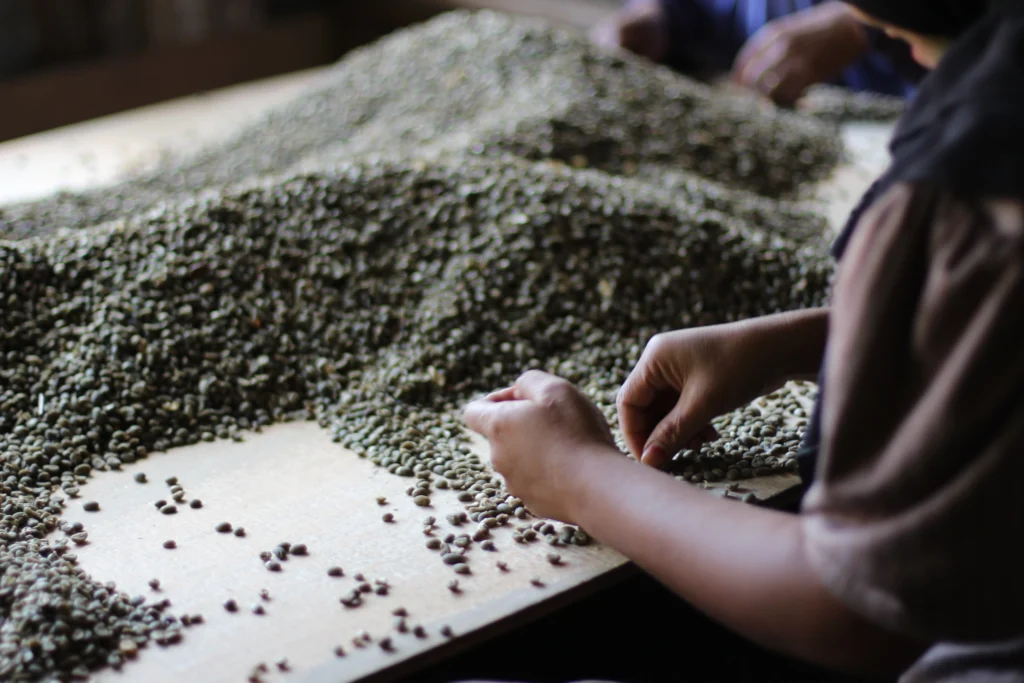
Wet Hulled dominates the Indonesian production landscape where the coffee can change hands at various stages before finally being bagged ready for export. This process was developed to counter the wet climate and the risk of mould. It was established around the 1980s as it greatly reduced the total processing time from 4- 6 weeks down to 7-10 days. This process gives it its deep blue green appearance and unusual bean structure
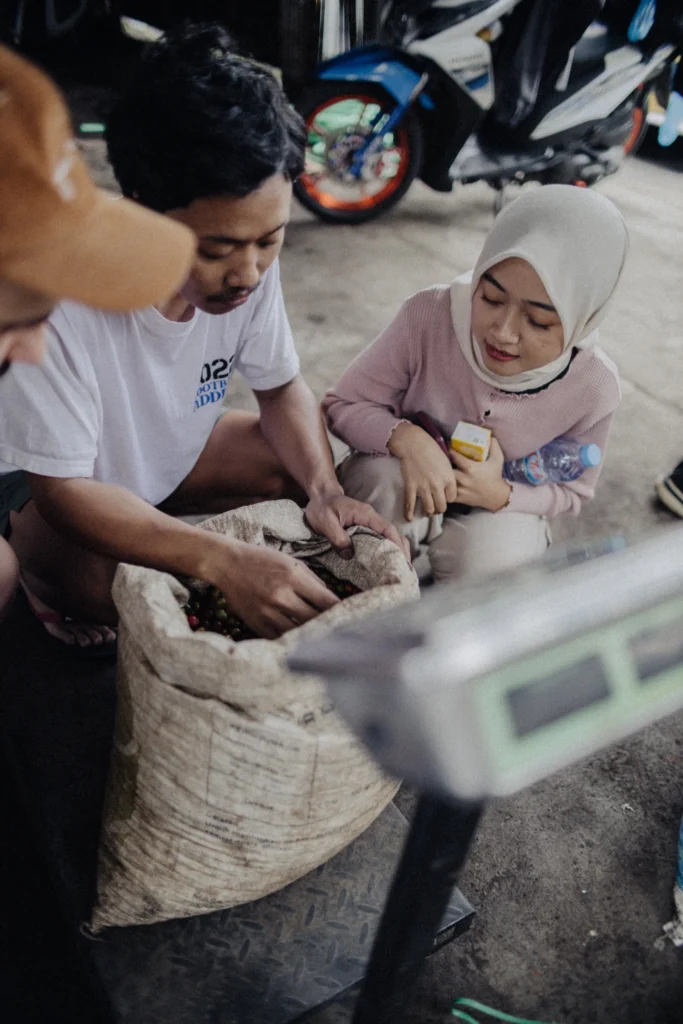
A smallholder farmer collects cherry and delivers to a processor
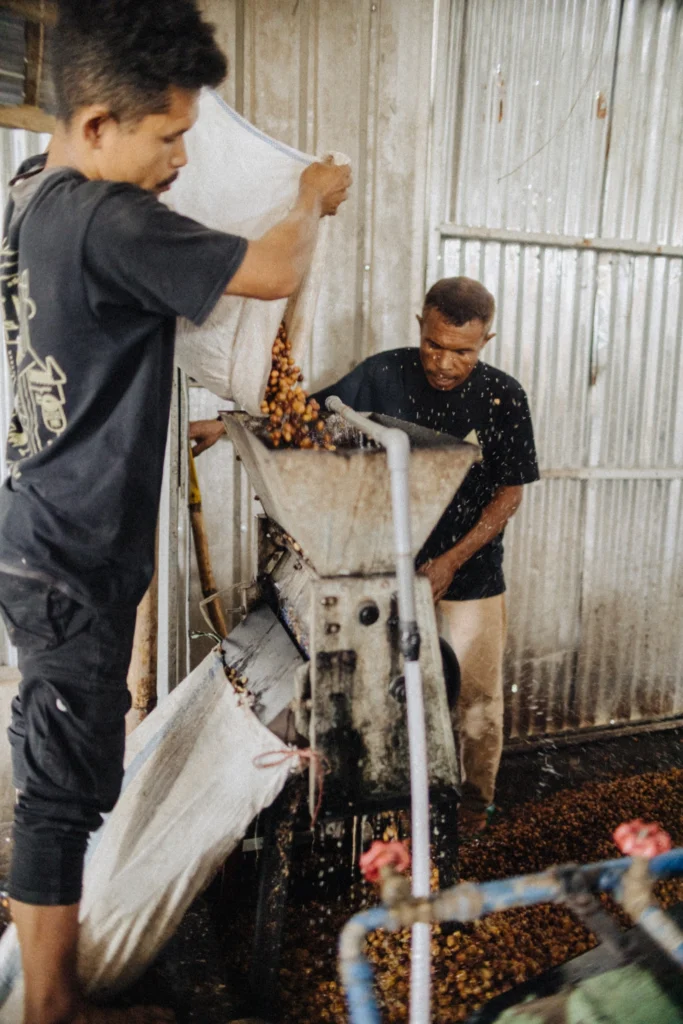
Processor depulps and wet ferments 12 hours
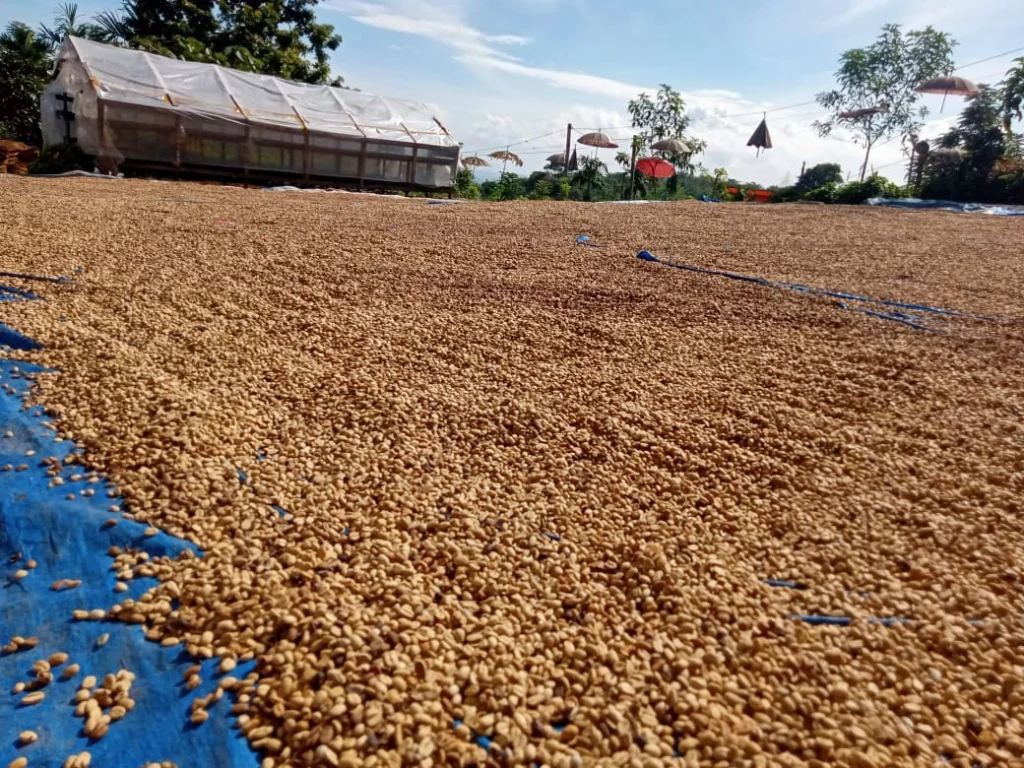
Coffee dried to 35-40% (1 day) on tarpaulin
Coffee is wet hulled (parchment removed)
Dried from 35% - 15% as green coffee (2-3 days) on concrete patios
Transported to final mill – dried from 15% to 12-13 %
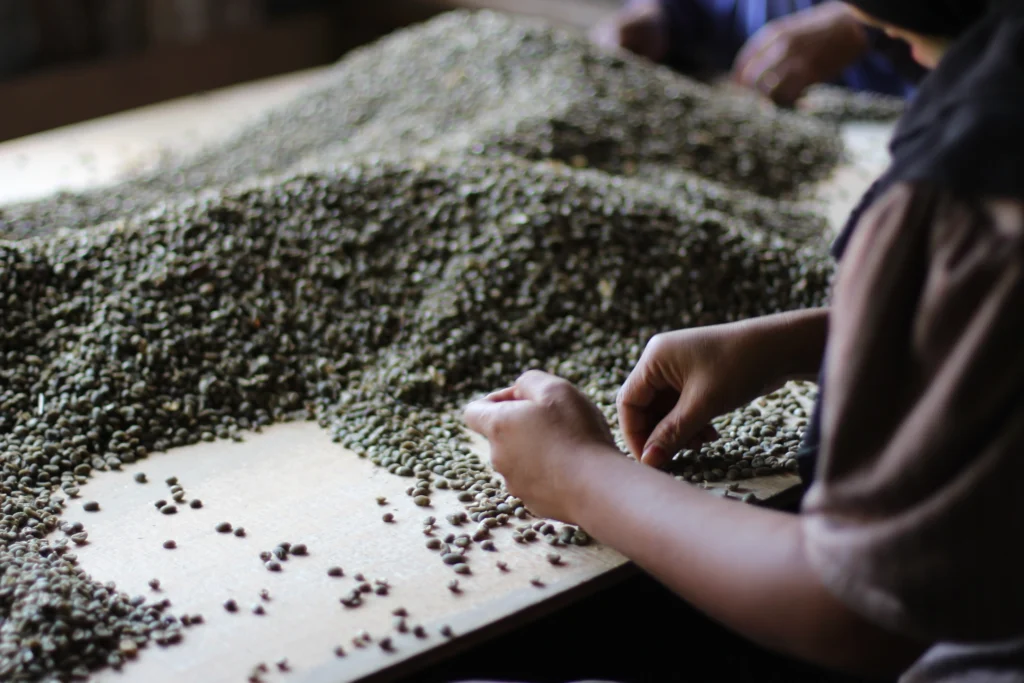
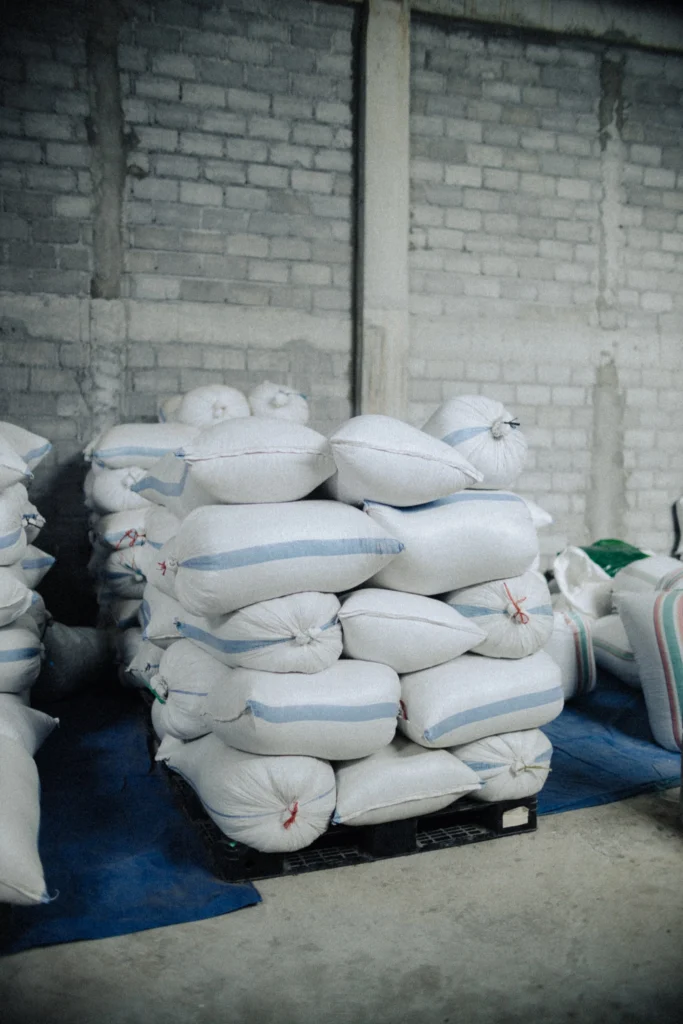
Cleaned, hand sorted and bagged ready for export
Cleaned, hand sorted and bagged ready for export
There is a growing number of smaller processors buying cherry from farmers and producing natural, anaerobic naturals, honey & washed coffees. This innovation has been driven by the demand for specialty coffee within Indonesia and from around the world. These coffees create more risk and can take up to 8 weeks to dry depending on the location due to the challenging humid climate.
We use cookies to ensure that we give you the best experience on our website. If you continue to use this site we will assume that you are happy with it.