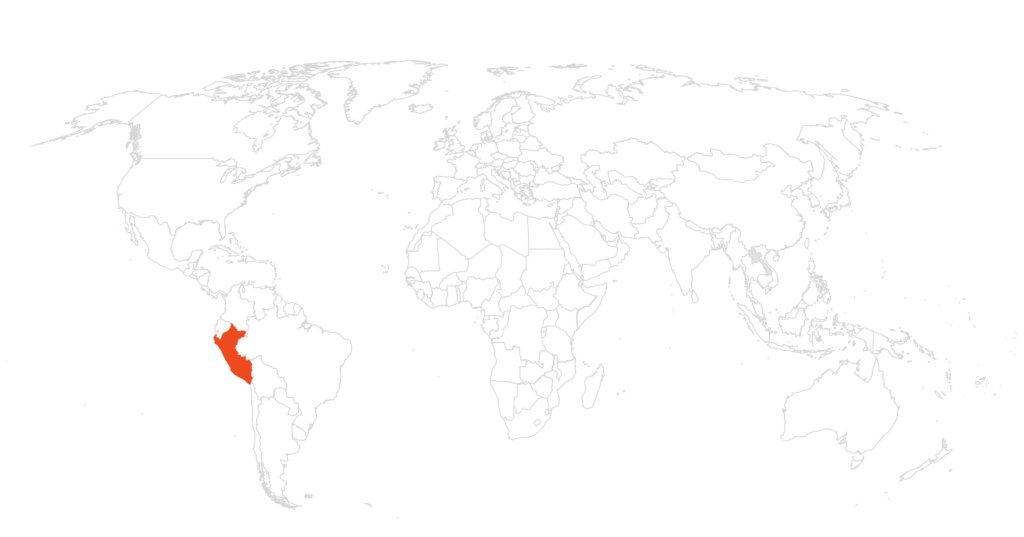
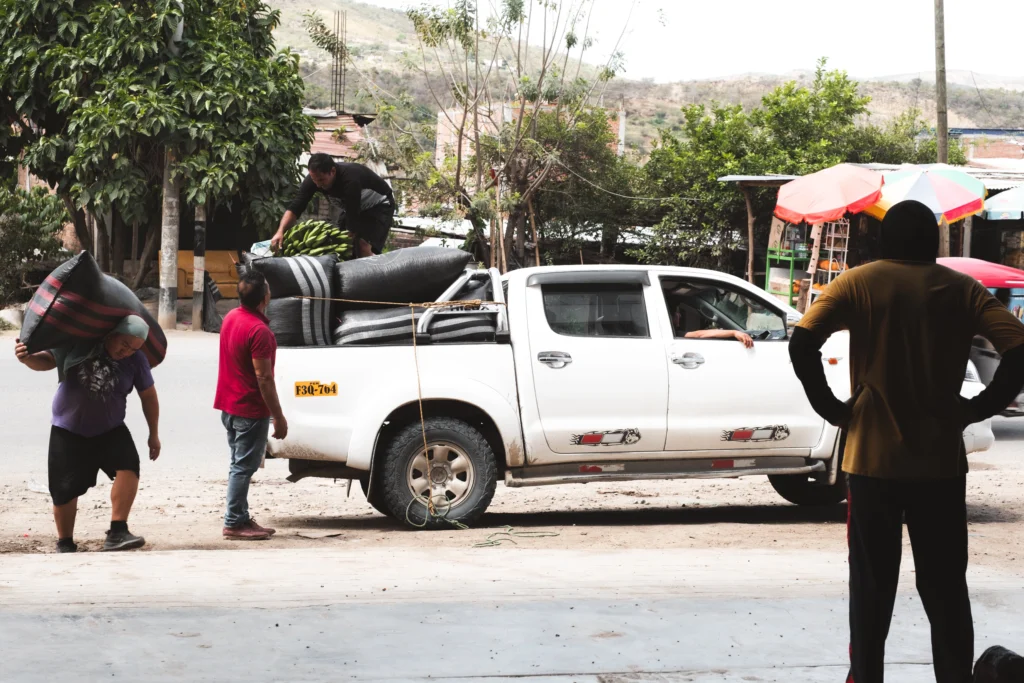
Peru has all the natural conditions needed to produce outstanding arabica coffee: high elevations along the eastern slopes of the Andes, diverse microclimates, and a coffee landscape built around smallholder farming. For many years, however, the country was better known in the trade for large certified and blended lots than for differentiated microlots. That reputation reflects historical supply-chain structure and uneven post-harvest execution more than any lack of quality potential at origin.
Today, Peru’s specialty story is increasingly defined by better farm-level processing, stronger quality control, and more transparent buying models. Most coffee is fermented, dried, and prepared by smallholders at home, so improvements in picking, fermentation, drying, and lot separation can have an outsized effect on cup quality. When that work is rewarded, Peru can deliver coffees with clean sweetness, bright-balanced acidity, floral lift, and fruit complexity that stand comfortably alongside the best coffees in Latin America.
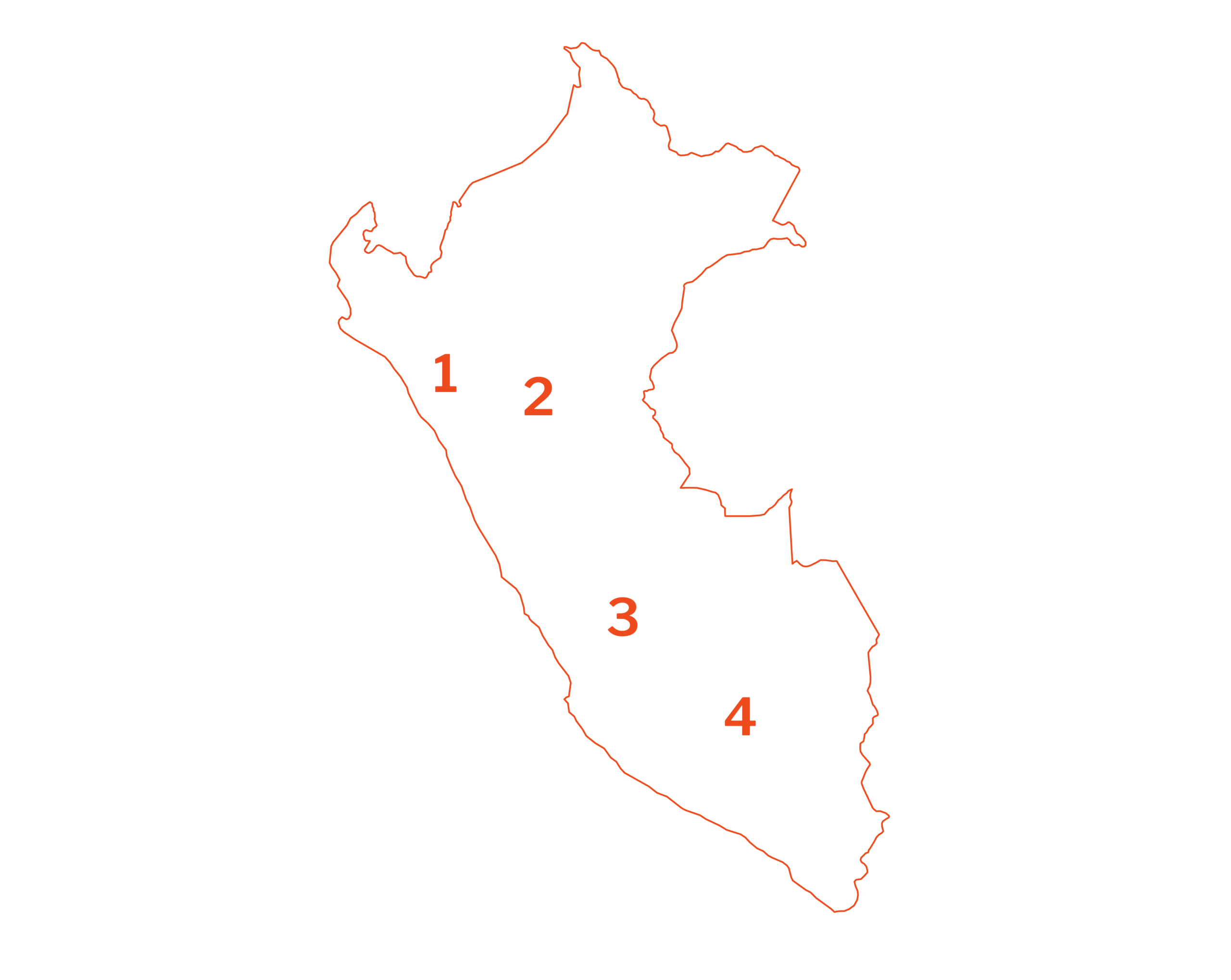
Coffee Regions of Peru
1) Northern Andes
Cajamarca and Amazonas
Northern Peru is at the centre of the country’s modern specialty narrative. Cajamarca is widely seen as Peru’s strongest region for quality potential, with many farms at high elevations and trade logistics often centered around Jaén and San Ignacio. Amazonas sits alongside it as another important northern source of quality community lots and microlots. This is also the core of Falcon’s direct specialty work in Peru with the Falcon Coffees Peru main warehouse located in Jaén.
2) San Martín
San Martín is another important part of Falcon’s Peru footprint and a key region for long-term agronomic work. In 2025, Falcon Coffees Peru opened a second warehouse in Moyobamba and embarked on three-year impact project in the region centered on soil-health analysis and productivity support. In practice, San Martín adds depth to Falcon’s northern Peru platform while strengthening the agronomic foundations needed for more consistent quality over time.
3) Central Jungle
Junín, Pasco, and Huánuco
Further south and east, Peru’s “Central Jungle” remains an important coffee belt, with Junín often singled out as a region with strong quality potential. Coffee in central and southern Peru tends to sit more firmly on the eastern slopes between the Andes and the Amazon basin, where the landscape becomes more humid and jungle-like. This belt is important not only for volume, but also for the range of cup profiles Peru can offer beyond the north.
4) Southern Highlands
Cusco and Puno
In the south, Cusco and Puno continue Peru’s highland coffee tradition and are widely regarded as regions with real specialty potential, even if they face tougher geographic and economic constraints. These southern coffees can be highly distinctive, but they also show how dependent Peru’s quality story is on infrastructure, post-harvest control, and stable market incentives.
Production structure
Peru is a strongly smallholder origin. Farms as typically small, often around 0.5–4 hectares, with coffee commonly processed on-farm and then delivered as parchment to cooperatives or exporters.
Harvest timing
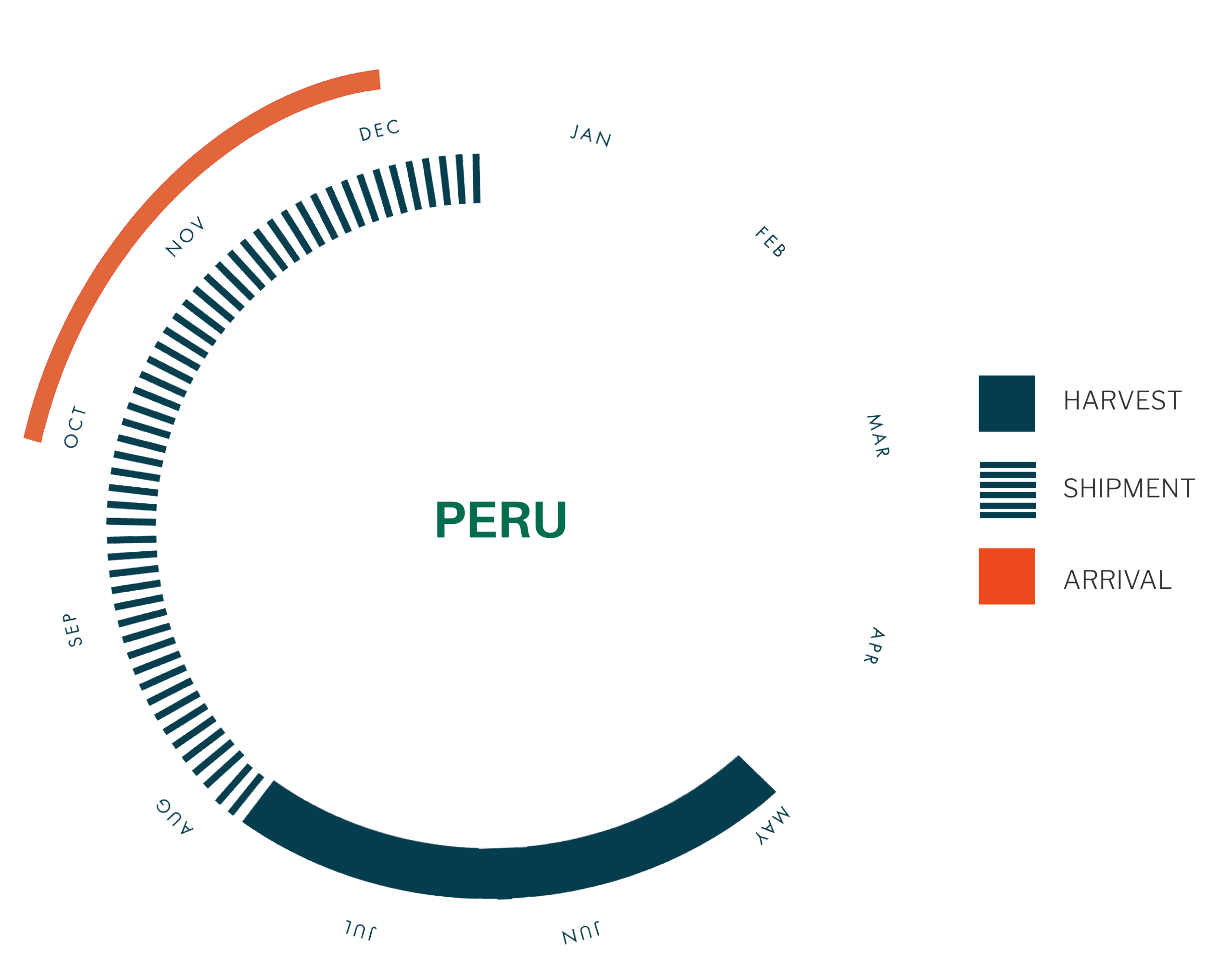
Most areas harvest roughly from April or May through August, with higher elevations extending into October; fresh shipments commonly begin from midyear onward.
Common cultivars
Catimor is common at lower elevations, while Bourbon, Caturra, Pache, Typica, Catuaí and Geisha are all important in higher-quality zones; Typica remains especially significant in the south.
Traditional flavour profile and quality
Peru is often associated with clean, bright, sweet cups that can show floral notes, citrus, stone fruit, papaya, chocolate, molasses-like sweetness, and a round, balanced mouthfeel depending on region and lot style.
Market position
Peru remains a major origin for certified organic and Fair Trade coffee, while traceable community lots and microlots are becoming more visible as quality-focused buying models expand.
Altitude
1200 – 2200
Annual Export Volume
≈ 4.07 million 60 kg bags
Key Producing Regions (share of nat’l crop)
Cajamarca 22 %, San Martín 20 %, Junín 19 %, Amazonas 15 %; 16 of Peru’s 25 regions grow coffee
Total Coffee Area
~ 335,000 ha harvested; 375,000 ha planted
Population (2025 est., UN)
~ 34.4 million
Official / Common Languages
Spanish (official), Quechua & Aymara widely spoken
Main Ports
Callao (Lima), Paita (north)
Land Area
≈ 1,285,082 sq km
Primary processing focus - Washed
Peru remains predominantly a washed-coffee origin. Naturals, anaerobics, and other differentiated process styles are increasingly present, but they remain secondary to washed coffee rather than defining the origin as a whole.
A representative specialty washed flow in Peru usually looks something like this:
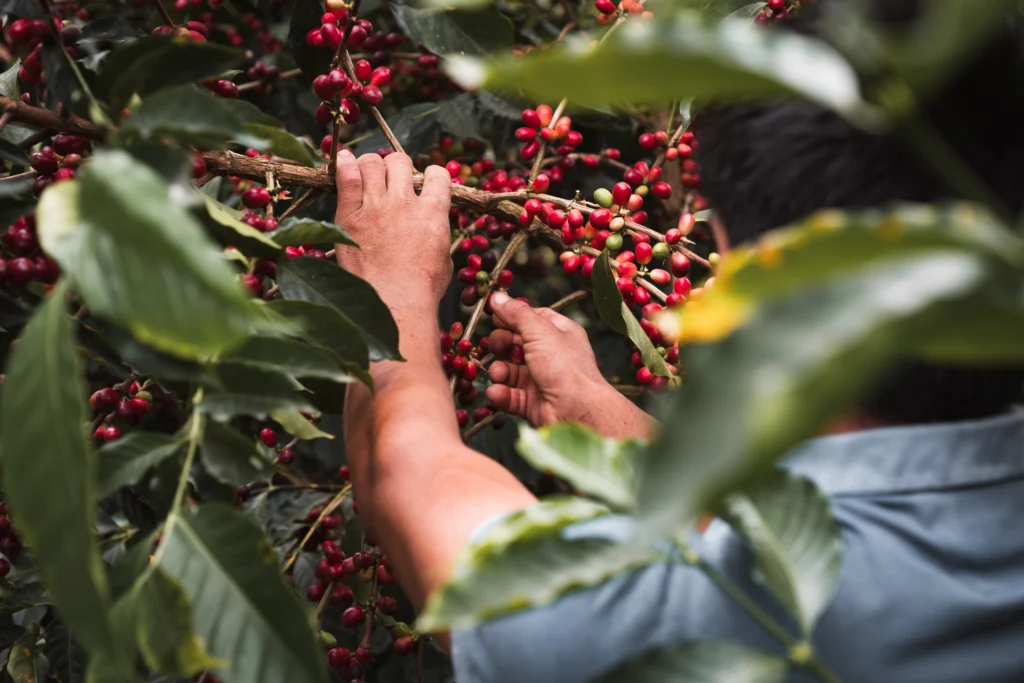
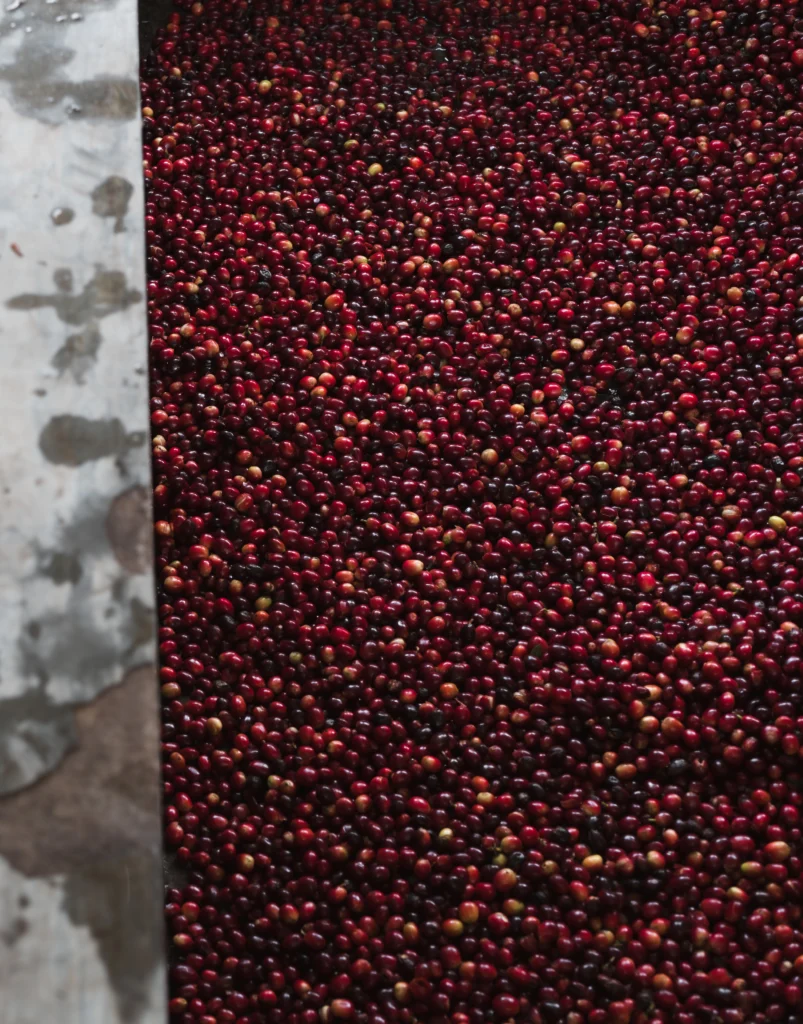
Selective cherry picking on small family farms.
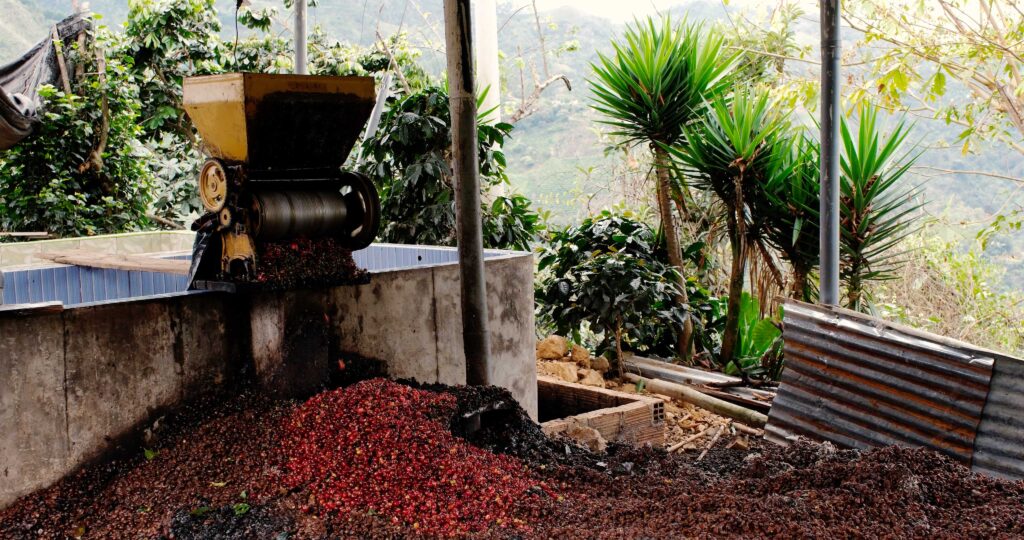
Pulping with small in house depulper.
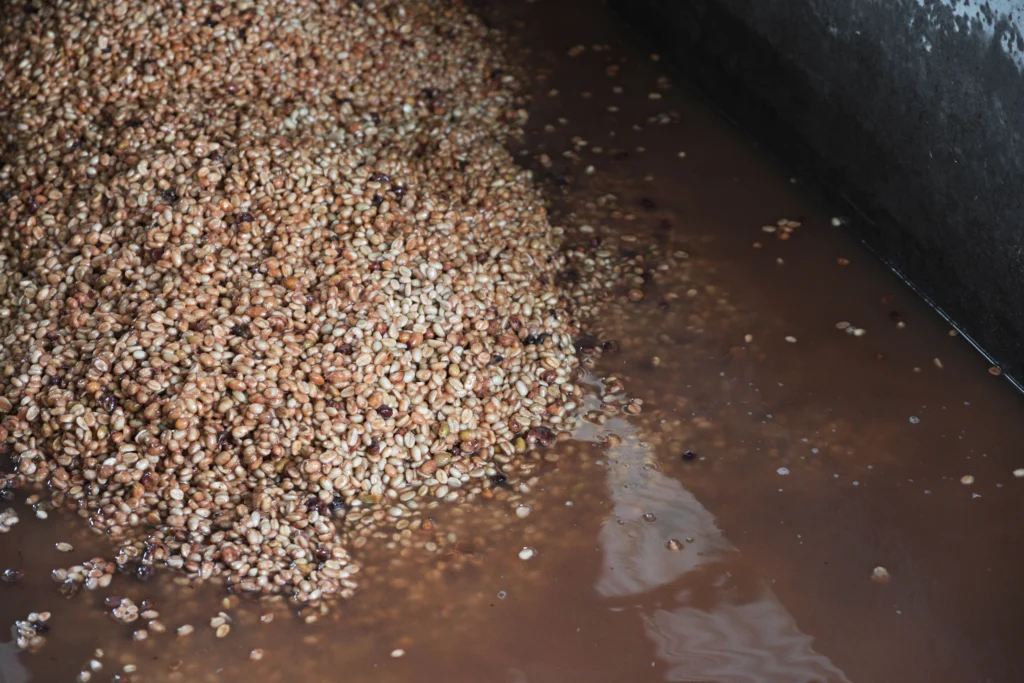
Dry fermentation in concrete (often tiled) tanks, usually 8-24 hours.
Washing and preparation of parchment for drying.
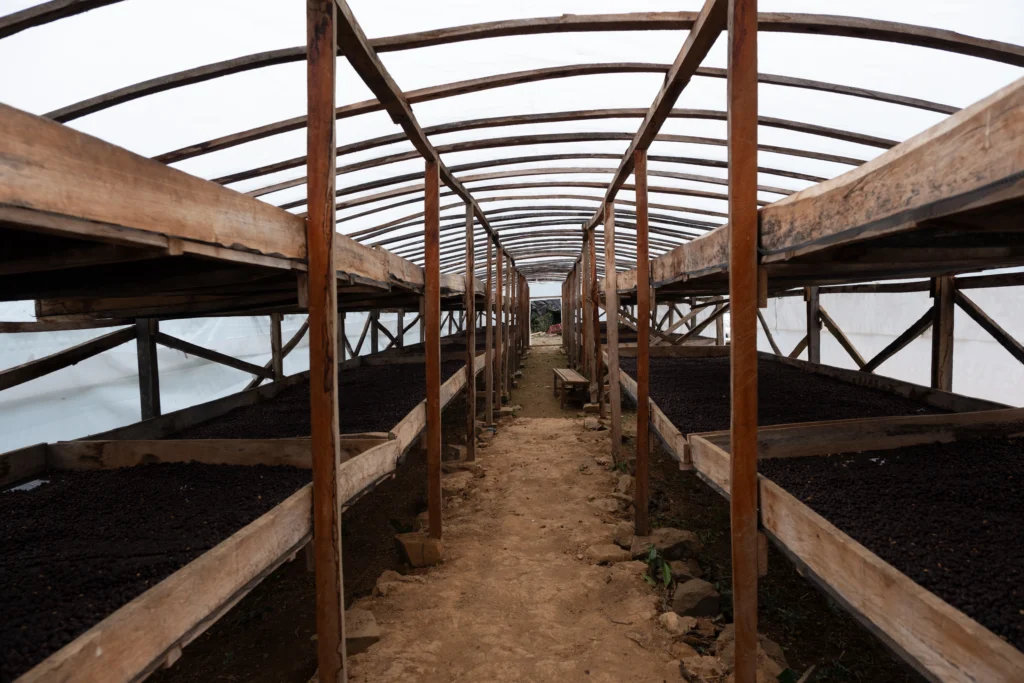
Drying on plastic, rooftops, or in parabolic dryers, with some producers using tables or raised beds.
Parchment delivery to a cooperative or exporter for grading, dry milling, and export preparation.
Our impact work in Peru
Falcon’s work in Peru through our exporter Falcon Coffees Peru (FCP) combines direct farmer relationships for specialty coffee with cooperative purchasing for more reliable certified supply.
At farm level, FCP’s specialty model includes baseline surveys, group workshops, agronomic support, digital data collection, and a commitment to buy from participating farmers at premiums structured over local market prices according to quality. Alongside that, FCP’s cooperative model adds pre-harvest diligence, sample approval, processing oversight, and cupping-based quality control to improve reliability for certified coffees.
Falcon’s current Peru project work also reinforces the specialty positioning. In Cajamarca, the Falcon Specialty Plus Project is aimed at improving quality, post-harvest performance, and farm sustainability. Participation and recognition of FCP producers in the Cup of Excellence competition offers a clear example of what can happen when producers are matched with technical support, quality feedback, and meaningful premiums. In San Martín, Falcon’s soil-health initiative focuses on science-based fertilization and productivity improvements.
We use cookies to ensure that we give you the best experience on our website. If you continue to use this site we will assume that you are happy with it.