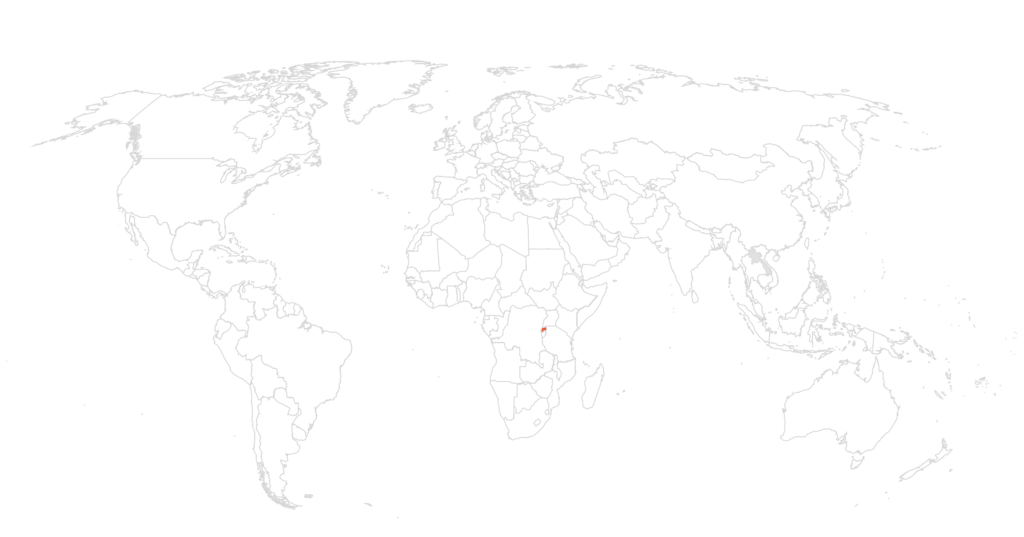
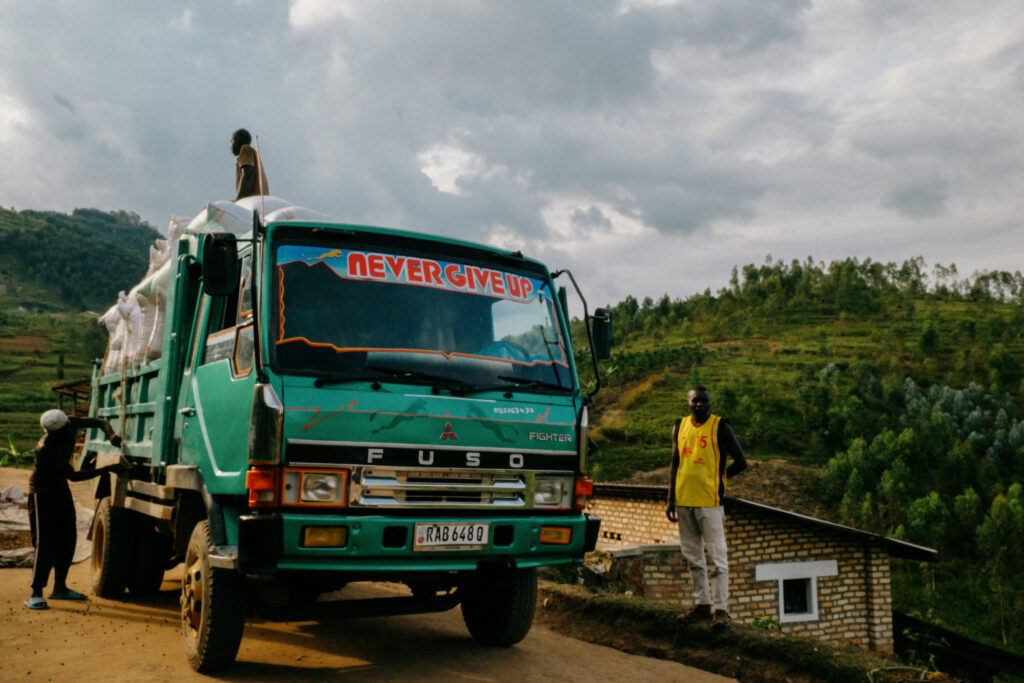
Rwanda has a long history of coffee production dating back to the early 1900’s when German missionaries introduced arabica varieties to the region. Despite contributing only approximately 0.2% of global arabica production, coffee has continuously played an important economic role in Rwanda as both the primary cash crop for small holder producers and an important U.S. dollar export for the economy.
Over the past 20 years Rwandan has become known for clean, bright, floral and black tea cup profiles produced on hundreds of thousands of small holder plots and aggregated over 300 wet mills across the country. This represents a remarkable shift from just 15 years ago when upwards of 80% of Rwandan coffee was washed on the farm and exported as commodity grade coffee. With such incredible progress in a relatively short period of time, and focused primarily on processing techniques alone, the continued quality uplift potential in Rwanda with investments in agronomic practices and new variety plantings are promising.
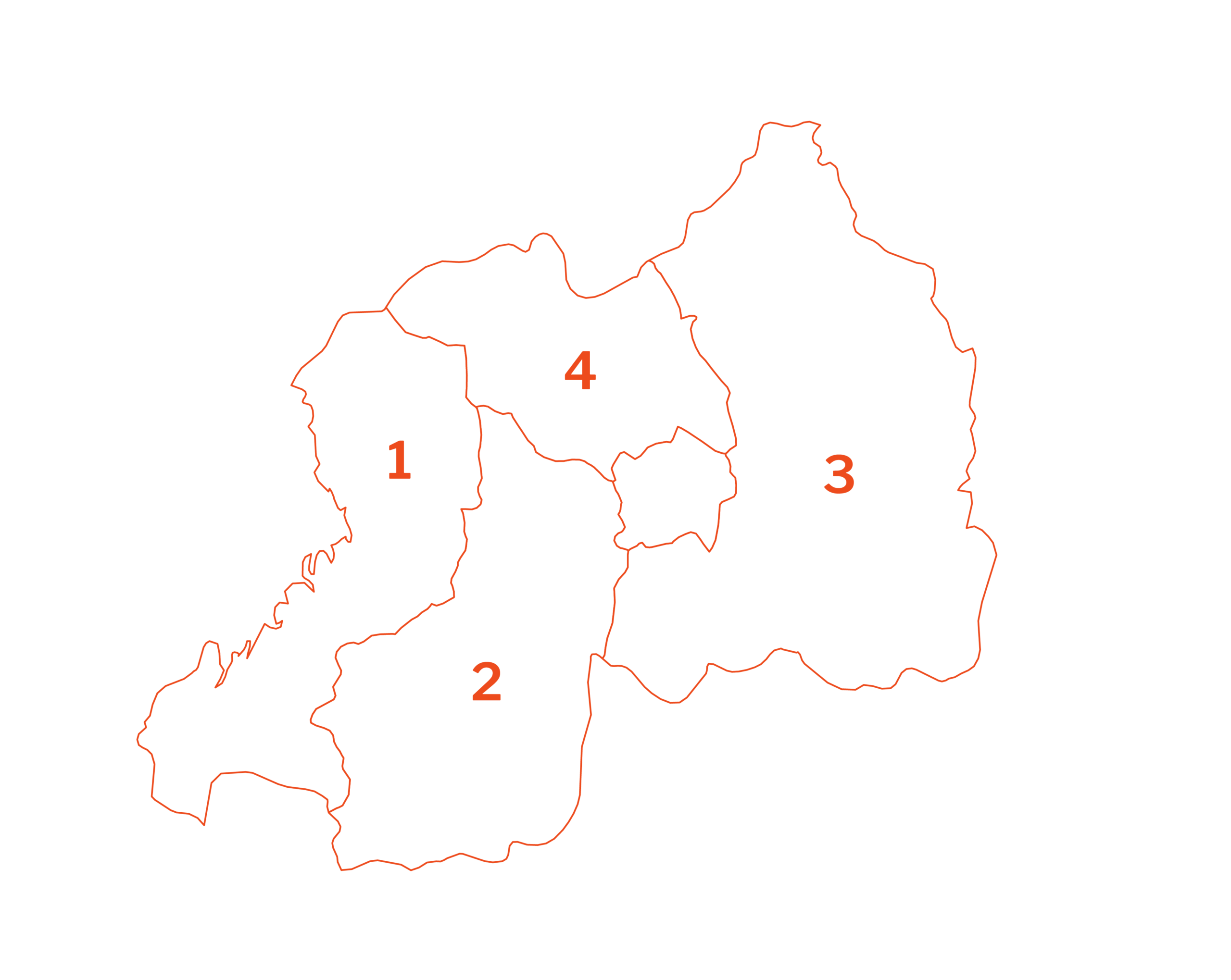
Coffee Regions of Rwanda
1) Western Province
Nyamasheke, Karongi, Rusiro, Rusizi Districts
Lake Kivu is 1,460m and therefore is the established minimum elevation level for the region, with the mountainous shoreline climbing swiftly to 2,000m and above. Historically this region has been the largest producer in Rwanda at up to 35% of total production, but due to the age of the tree stock experiences more significant yield swings from year to year.
2) Southern Province
Huye, Nyamagabe, Nyanza Districts
This region was the original focus for the revival of fully washed coffees in the early 2000’s under the Pearl Project, especially the Huye and Nyamagabe. The Southern Province has consistently been the second largest producer by volume in Rwanda at 25%, but has recently been overtaken due to new planting in the Eastern Province where land is more readily available.
3) Eastern Province
Kayonza, Gatsibo Districts
By comparison to the other regions of Rwanda, the Eastern region is lesser known for high quality microlots and more known as an area that is growing production volumes through rejuvenating existing farms and increasing new planting. As of 2026, we estimate the area to contribute up to 30% of Rwanda’s total coffee production. The East also contains pockets of higher altitude production that has consistently produced excellent cupping microlots.
4) Northern Province
Rulindo, Gakenke Districts
The rich, volcanic soil in the Northern Province has the ability to produce some of the finest Rwandan coffees available. The region has ample rainfall annually, which while ideal for cherry development makes drying challenging. They must also contend with hail in this region which does occasionally destroy trees. Competition from other crops and land pressure in the region have driven a decline in production in the North over the last few decades, but it still contributes approximately 10% of Rwanda’s total production.
Annual production (in bags and MT)
18,000 MT
300,000 (60kg bags)
Average farm size for the country
< 0.5 hectare
Harvest Altitudes
1600 – 2100 meters
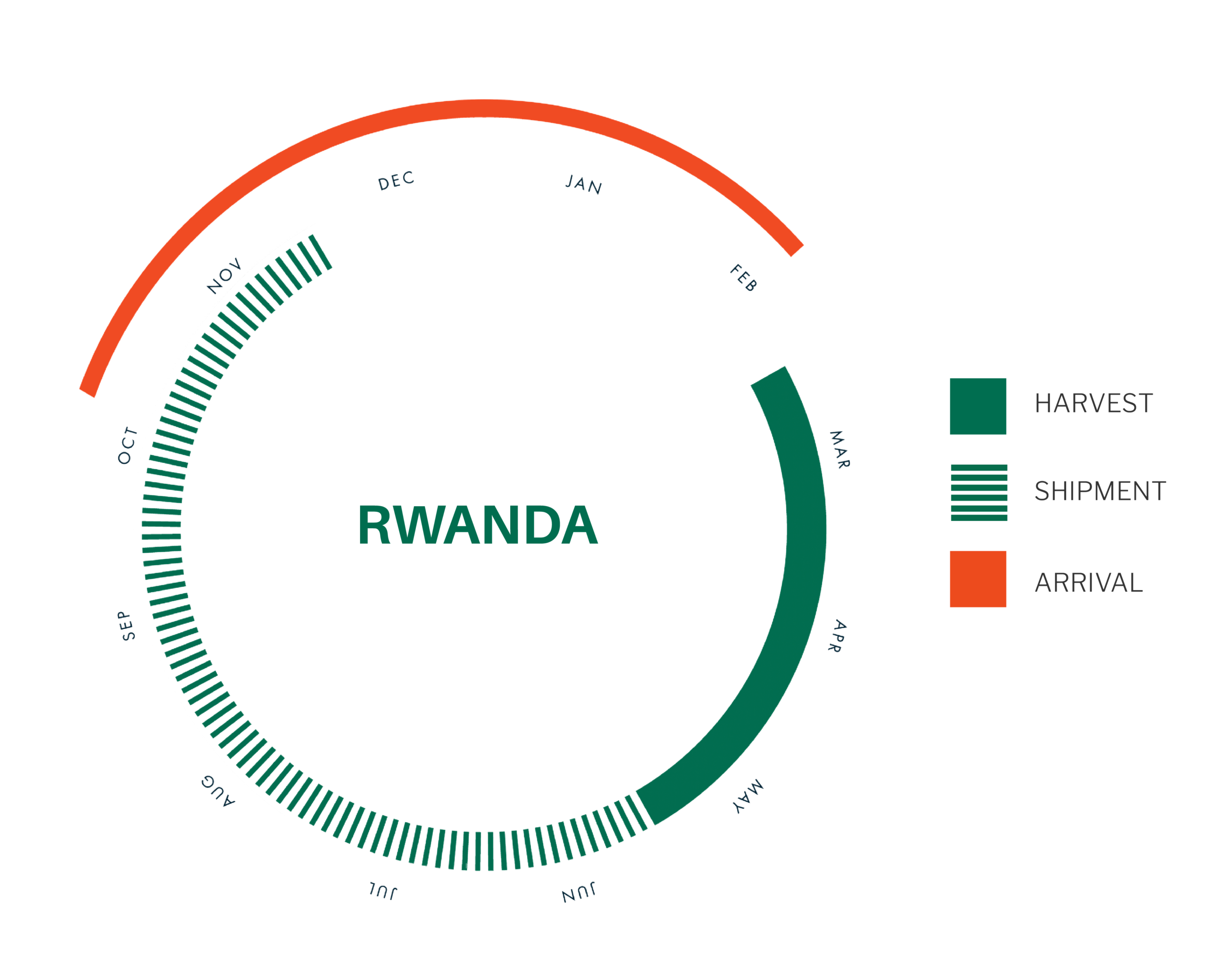
Ports for shipment
Mombasa, Kenya
Dar es Salaam, Tanzania
Traditional Flavor notes & Quality Overview
Black Tea
Citrus
Floral
Balanced
Bright acidity
Common coffee Varieties
Bourbon cultivars (Jackson, Mibirizi, Blue Mountain)
Primary processing focus - Washed
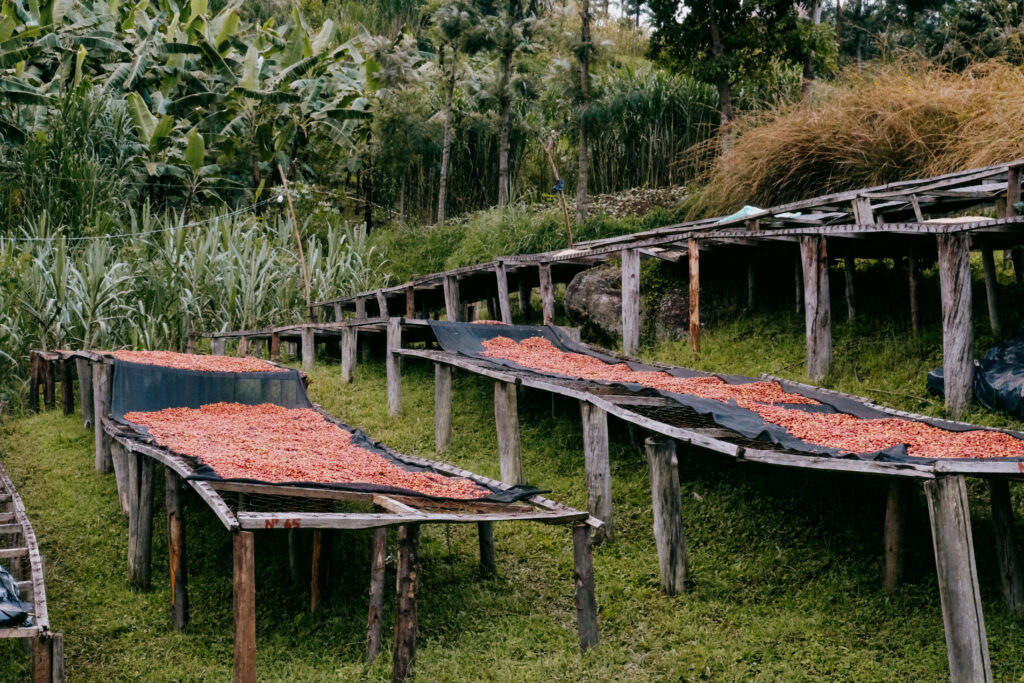
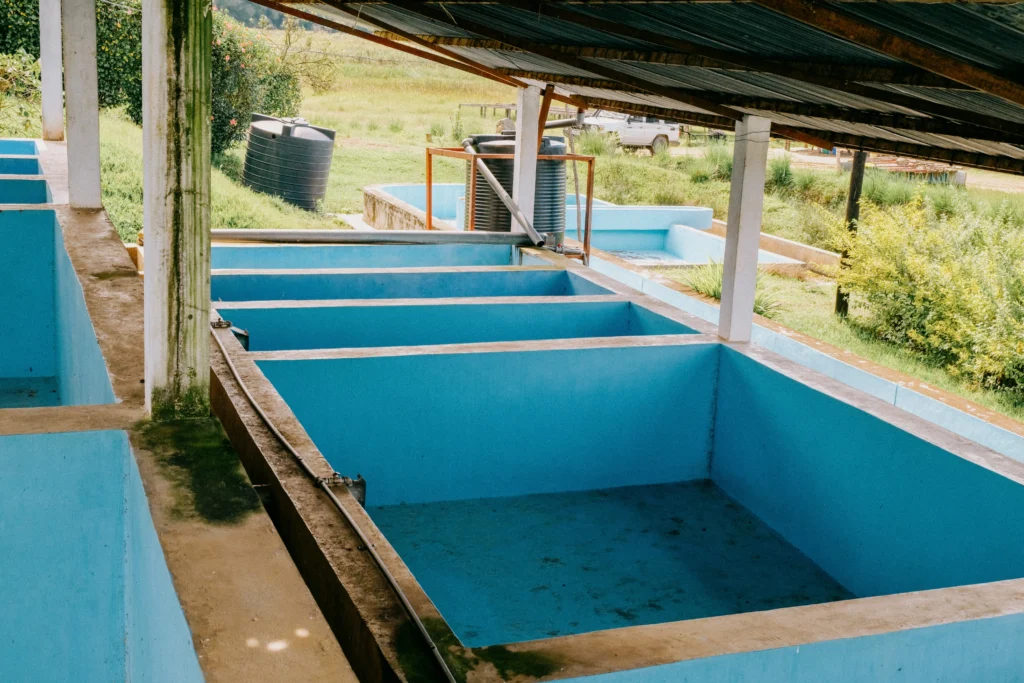
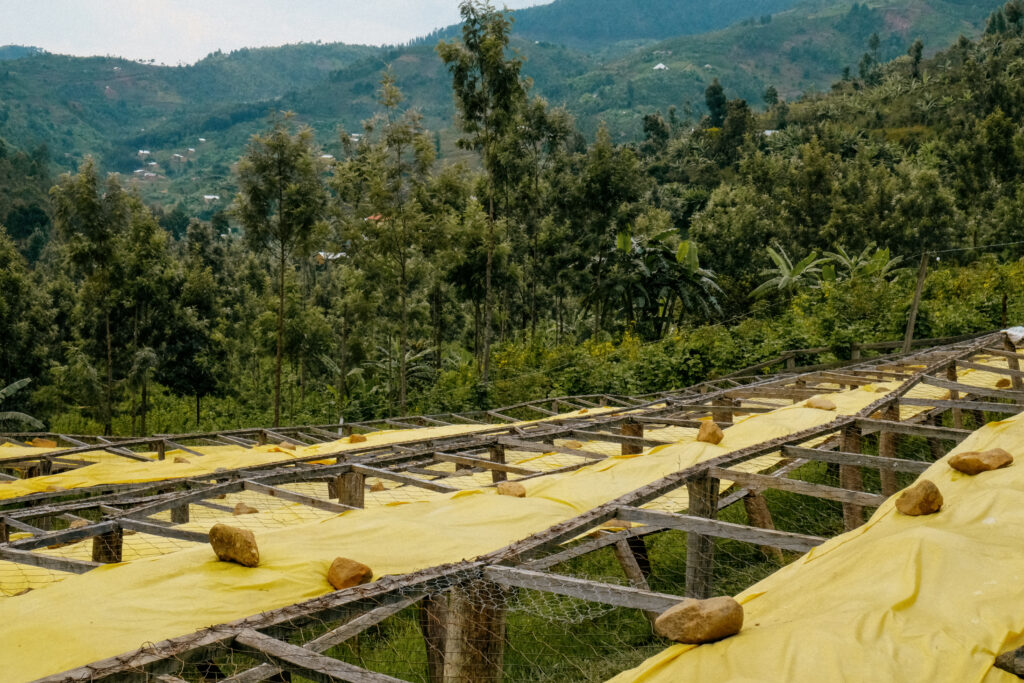
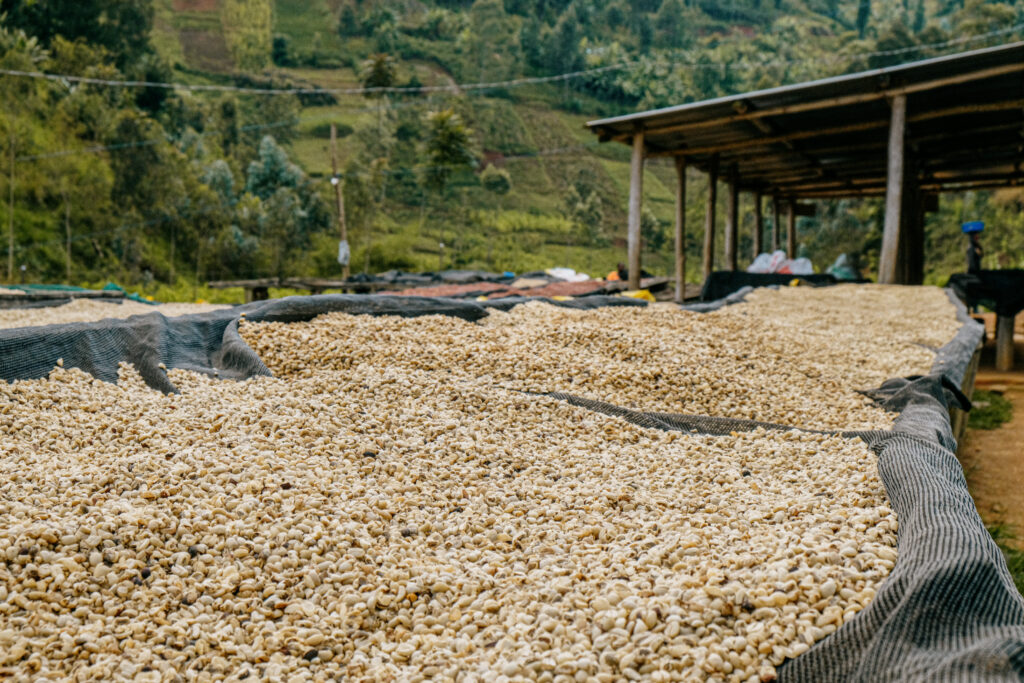
Rwanda has long produced washed coffees, historically via rudimentary farmer processed qualities called Semi-washed or Ordinary coffee but now processes over 80% of the harvest at wet mills. While each wet mill might have slight variations in processing techniques, the below illustrates a typical Rwandan Fully Washed process flow.
Also available in smaller quantities from Rwanda are Naturals, Anaerobic Naturals and Honey Processes.
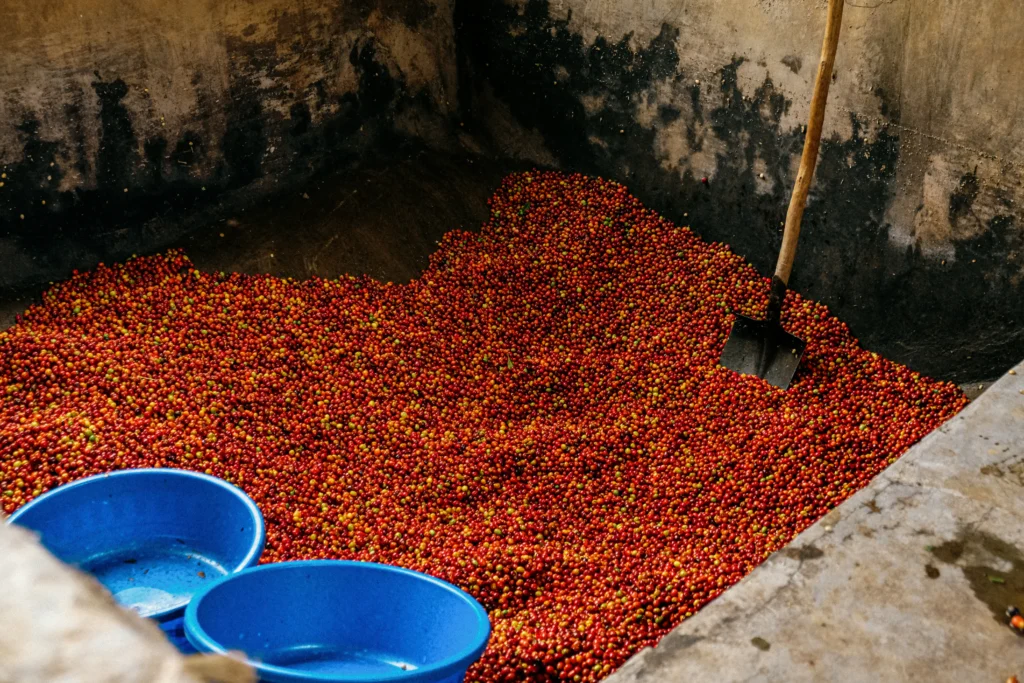
Cherry aggregated at a wetmill
Pulping
Dry Fermentation
Soaking
Covered Drying (1 day)
Drying on Raised Beds (10 – 15 days)
Transported to Dry Mill for export preparation
Our impact work in Rwanda
Increasing farmers’ coffee yields and quality has proven to have the biggest direct impact on farmer household income. In partnership with sister company Rwanda Trading Company (RTC), Falcon is committed to forming long-term relationships with the farming communities around RTC’s washing station sites by encouraging farmers to enrol in their coffee Agribusiness Training Programme.
We use cookies to ensure that we give you the best experience on our website. If you continue to use this site we will assume that you are happy with it.