
This diverse and stunning archipelago of 17 000 islands is home to 300 million people and is the dynamic interface of farm gate to roastery door for specialty coffee. In some respects, it is the promised land of specialty coffee in what it represents and demonstrates. Now, the team at Falcon HQ will roll their eyes and humour me, because I admittedly have a soft spot for this origin; there is something about the blend of cultures, landscapes, food, and ever-growing diverse portfolio of coffees, which in my mind can only lead to contentment.
The last time I visited in 2019 there was something simmering and bubbling, with notable signs that the next generation of Indonesia’s entrepreneurs were coming to meet the third wave of specialty coffee head on. They have ridden that and cruised onto the fourth wave, embracing specialty coffee as it now moves into the fifth wave! This is happening at the farm level with processing, but also in the roasteries and cafes that have blossomed in the fertile soil of this generation’s curiosity, passion and ambition. There was a youthful energy and a pulse I haven’t experienced anywhere else, or at any WOC before. We all felt this at the Falcon stand, supporting our team who have made a home in this region in Malaysia since 2022.
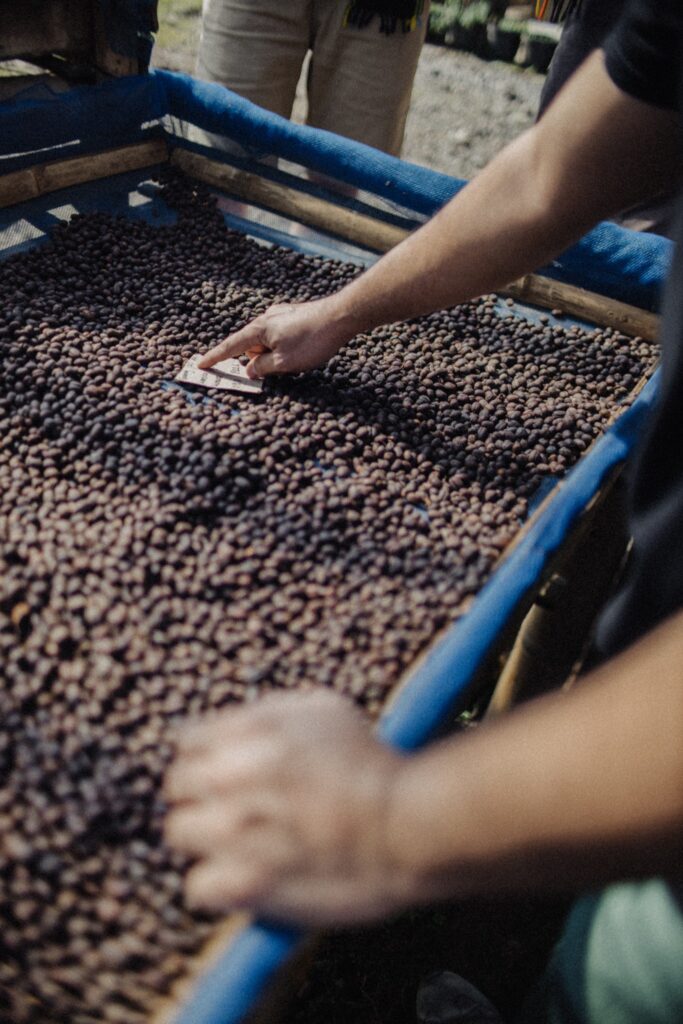
WOC Jakarta felt like a 3-day festival – attracting coffee enthusiasts as much as it did professionals from neighboring countries to come and be part of this rising tide of specialty coffee. You’d walk into the roaster’s village (mosh pit) and be intoxicated by the plume of anaerobic naturals and find yourself swept along in the current of sensory experience of spice, power and weight that challenges our norms, but works in harmony with the culinary preferences here. Roasters would tell you about their relationships, working closely with the farmer or processors (many of whom were at the stands), and how the coffee would travel very straight line from being picked to their roastery. The only real logistical challenges here are to navigate the seemingly 24-hour ‘rush hour’ tetris traffic of Jakarta. This is a world away from the 2-month-plus journey many coffees will make to arrive in Europe or the US from Indonesia. We could argue that coffees could be too fresh from a purist perspective, but it’s hard to argue the short chain of custody we see here: Farmer – Processor – Roaster – Consumer, from start to finish in around 2 months.
It’s impossible not to be invigorated by the potential here: the coffees we can hope to access from the producers and farmers, and the diversity this origin can offer. It often feels like it is 5 or 6 origins in one, stretching out over this vast region
We have mainly sourced our microlots from the northern tip of Sumatra from Team Pegasing, led by Hendra. It was great to catch up with him in Jakarta and hear how he is developing. He has delivered exceptional coffees for us over the last six years and continues to push the boundaries with his processing. The fly crop has just finished in Sumatra, and we’ll be receiving his coffee again in August in Europe, although it is in high demand. However, the main crop and harvest will swing around in October to December. In time for the upcoming harvest, Hendra has built a new wet mill, so hopefully we will be able to secure more of his lots – including the new vacuum-sealed anaerobic lot of which he left us a sample, just to tease us with what’s to come.
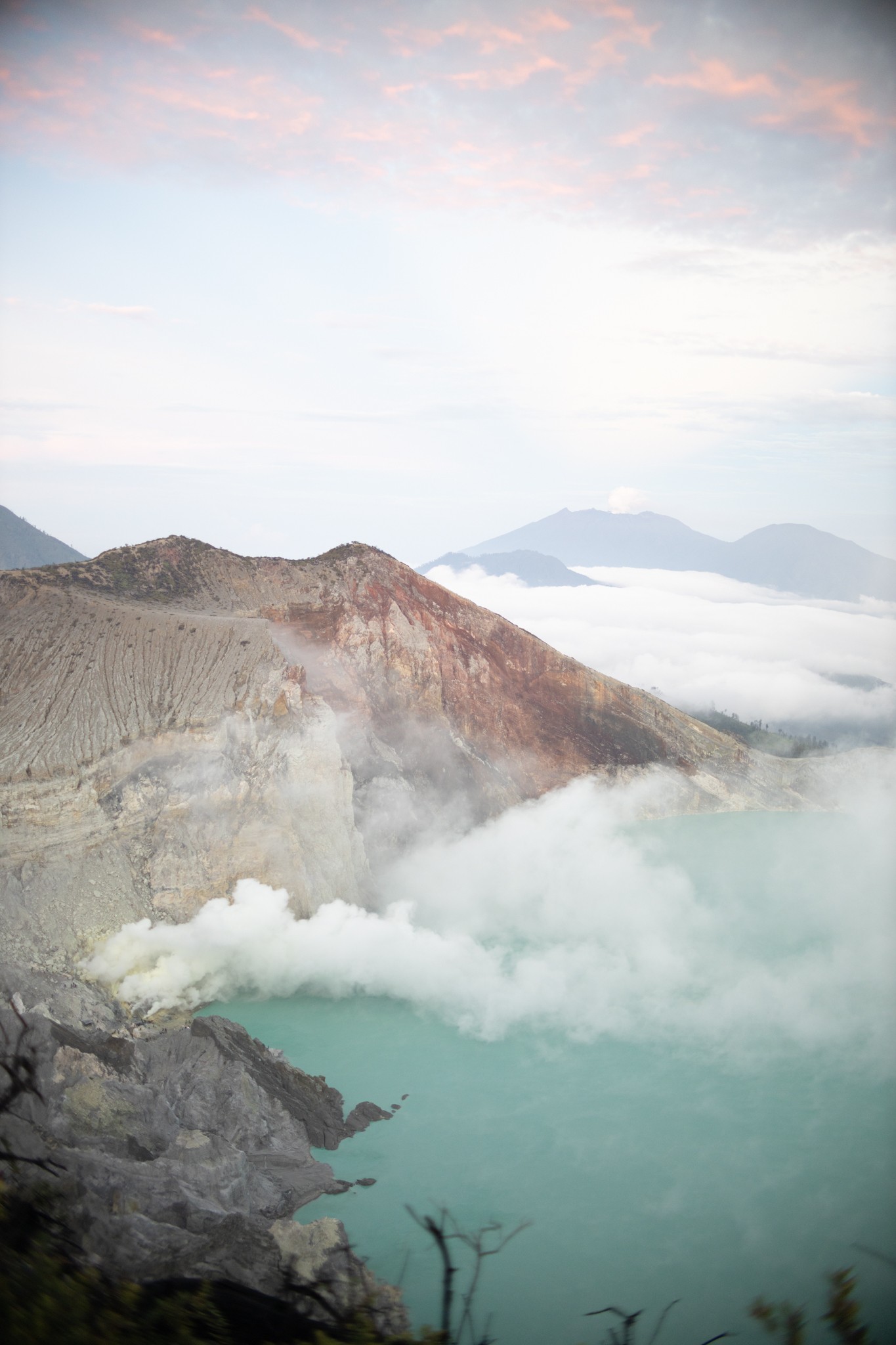
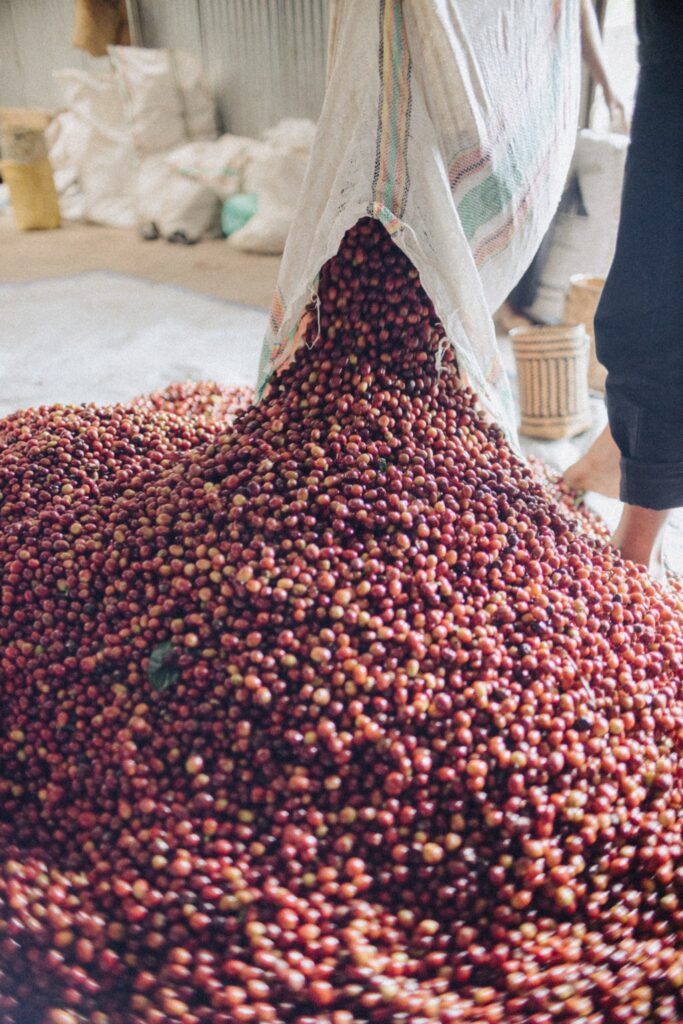
Having a team now in Malaysia has allowed us to create a closer connection with Indonesia and to find and collaborate with partners who share our values. After WOC we got the opportunity to travel to the far end of Java to Surabaya, to the home of Kevenka; a collaboration between two brothers, Kevin and Kenny, who began their journey in processing out of the desire to source better coffee for their own roastery. After several YouTube videos and some false starts, some hard lessons learnt and a processing course in Colombia, they now have their own processing facility in Mount Ijen. They have slowly increased capacity, mainly producing naturals and some experiments to which their site and climate is suited. Being young and dynamic, they have embraced technology and have bought a small colour optical cherry sorter which is helping them to select the ripest cherry for processing. This reduces the burden on the farmers and collectors, saving them time and labour costs on the farm. Last year this noticeably stepped up the quality of their coffees and we’re excited for the next progression this coming harvest.
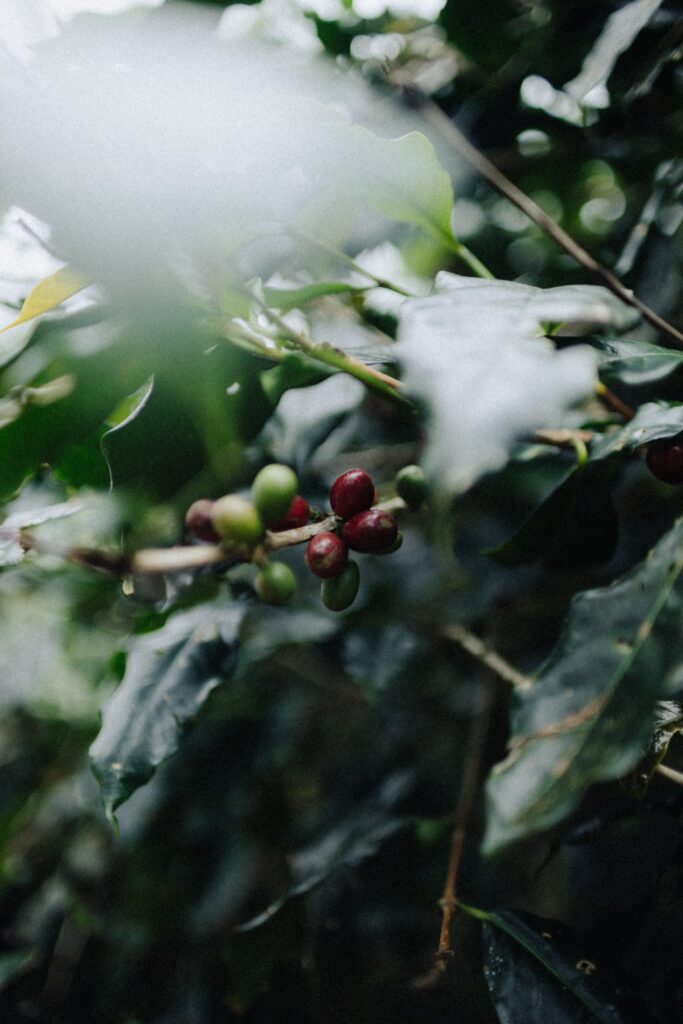
Kevenka work with close to 400 farmers, many of whom farm on land they rent from the Government which is protected from deforestation by law. The coffee trees grow under the canopy of bigger trees and would all meet the standard of shade grown. Intercropped between the varieties of kartika and sigaranutan, are chilies and beans, which act as secondary incomes for the farmers, so they needn’t rely only on coffee income. The harvest is a little late in East Java and is pushed back by a month, so we’ll expect to have these coffees with us in the later months of 2025.
The final leg of our trip took us to the gateway of the Komodo National Park and the Island of Flores, home of Tuang Coffee which was set up in 2014 by Andre in Uteng, Manggarai. Andre used to work in Jakarta as a business lawyer but realised that this was not his calling and had the courage to start afresh. He quit his job with no clear plan but began processing coffee in the community where his father grew up and which he had often visited as a child. Roll on ten years and he now has a processing center just outside Uteng, based at around 1000masl. He works with 4 or 5 groups of farmers who farm in the surrounding hills between 1- and 3-hours’ drive from Uteng, at altitudes ranging from 1200 to 1500masl. Andre worked hard to create close relationships with these famers in the early days, often sleeping at their houses in the village to build bonds and trust. Again, this has been a long journey for Andre who still only exports a small proportion (10%) of his specialty production. He has experimented and iterated, at one point even using the local palm juice brew to aid fermentation! That process no longer makes the list, but his new anaerobic coffees are hitting the sweet spot. However, these will always be second in importance to the coffee community he is building, and this is where the true value lies. We’ll receive coffees from the Tuang team towards the end of 2025.
This origin trip was also like no other in that our partners from Brazil and Colombia, Cocatrel and Siruma, came with us, as well as the team from Fathers Roastery in the Czech Republic. This provided a cross pollination of perspectives, ideas and experience in coffee that could be shared with our Indonesian partners, providing insight from those who walk in their shoes. I hope we can continue to grow our community in this way.
If you’d ever be interested in traveling to Indonesia with us, please reach out and be prepared to have preconceptions challenged (and food to blow your mind!).